Guardrails: not just an impractical anchor point
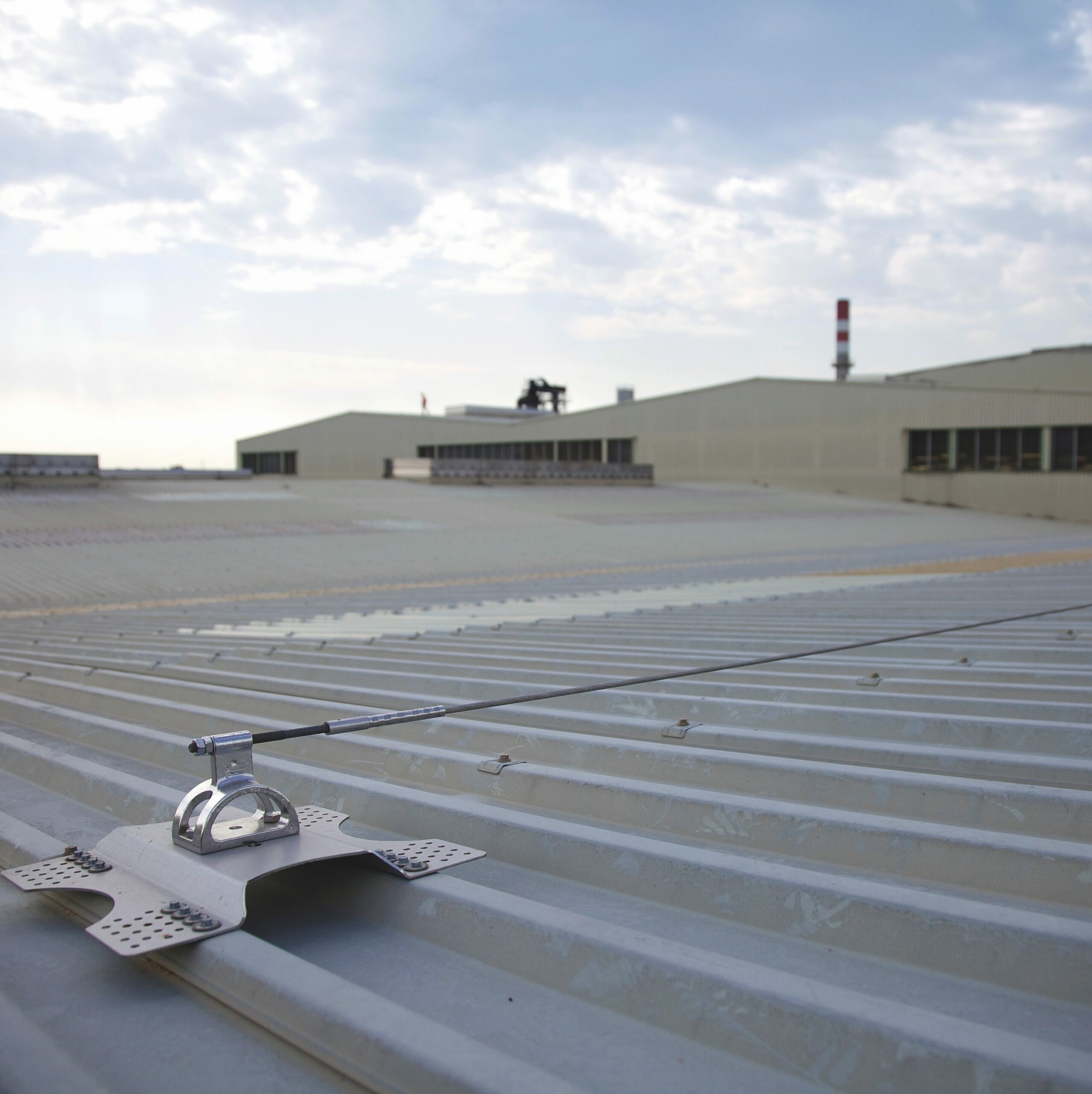
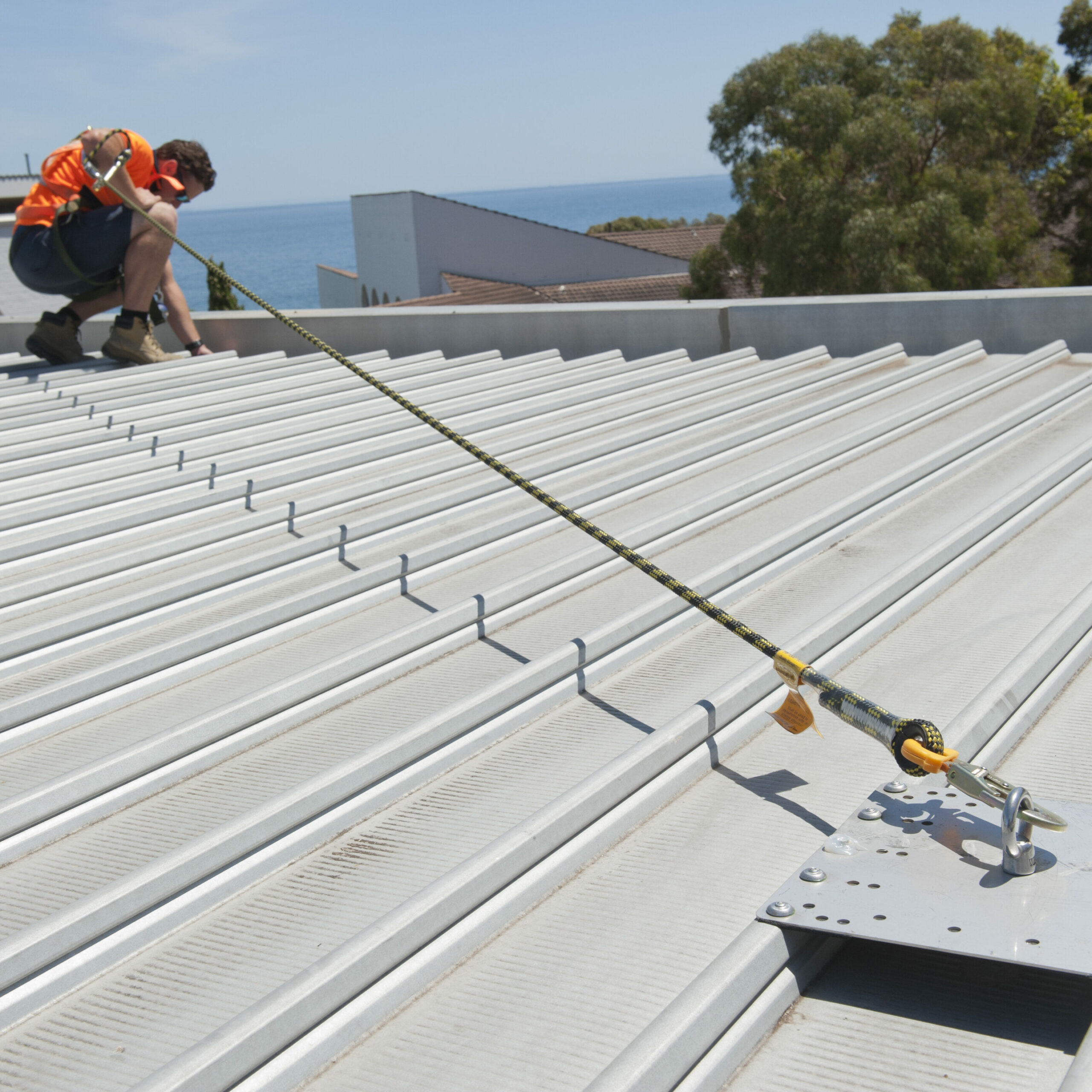
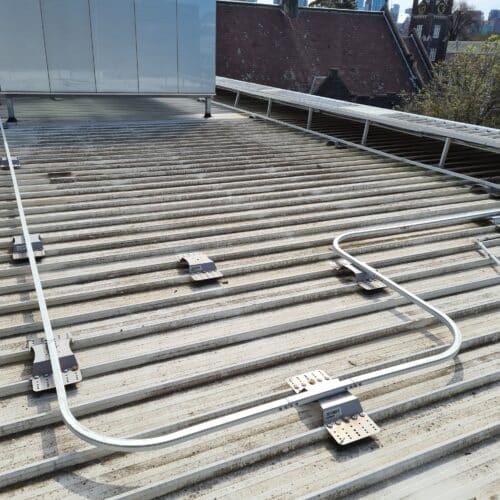
A common misconception is guardrails are interchangeable with anchor point systems. While it’s easy to get lured in by an anchor point’s cheaper install costs and smaller roof footprint, it comes with a bigger overall price tag. Increasing your level of risk and servicing responsibilities as well as on-going maintenance costs.
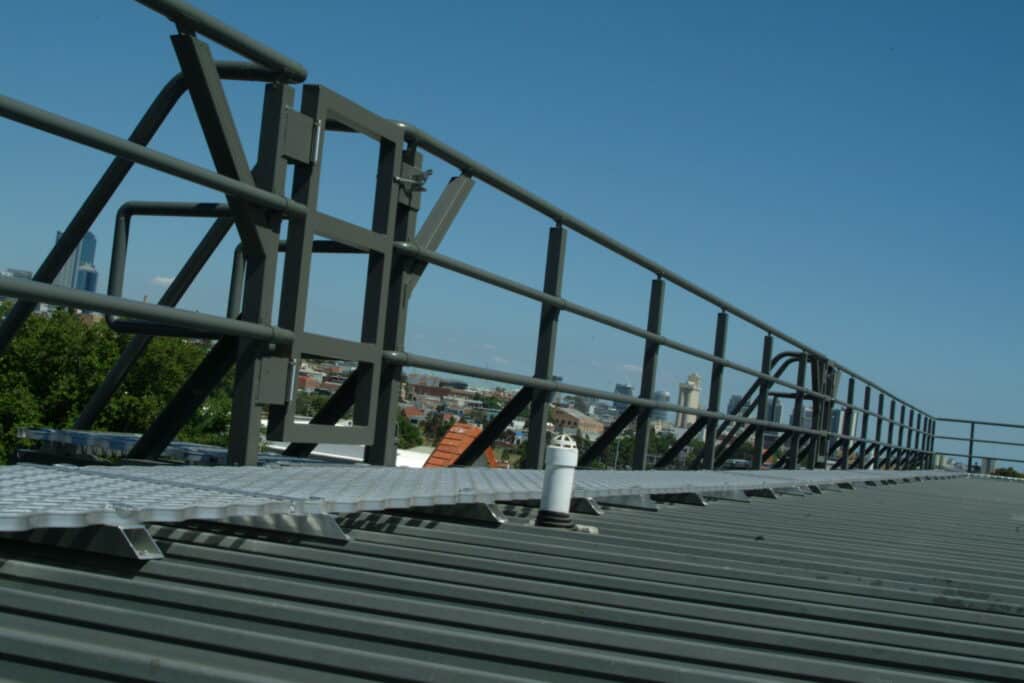
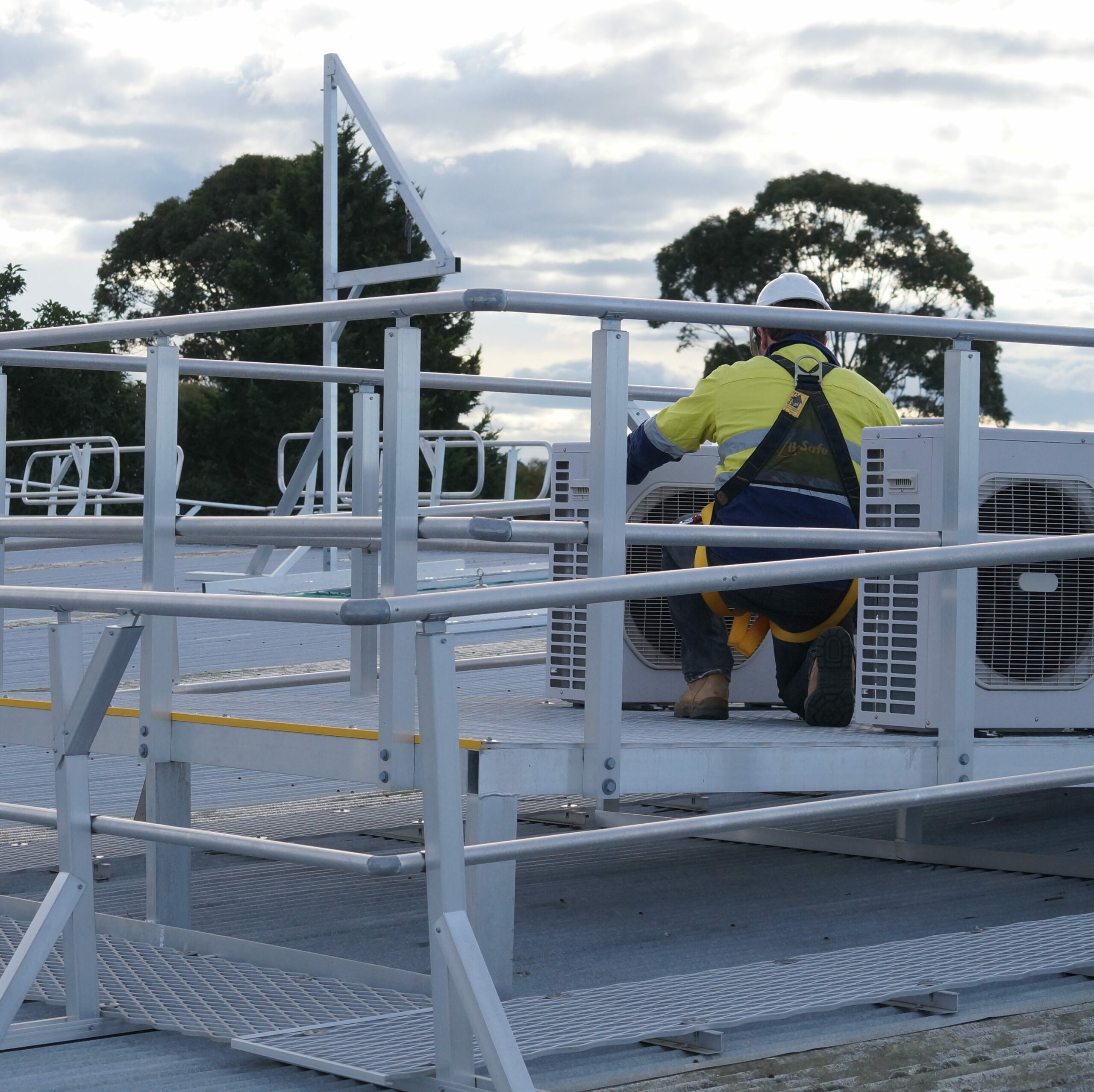
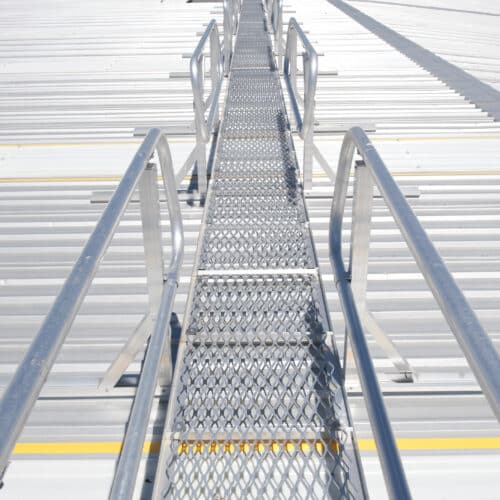
A guardrail is considered a fixed building asset and comes with more than double the lifespan of its smaller (riskier) safeguard cousin. Guardrail safeguard systems can also be customised to suit your design requirements, with cladding-added or guardrails coated to align with your building’s exterior colours.
While a guardrail is a safer option, it does come with design and installation risks – and it can go wrong very easily. Our certified height safety experts can guide you to the right guardrail safeguard system and service provider for your specific application. Providing design, engineering and tender advice to ensure you have the right guardrail from the start. Read More
Effective Protection from Roof Safety Guard Rails
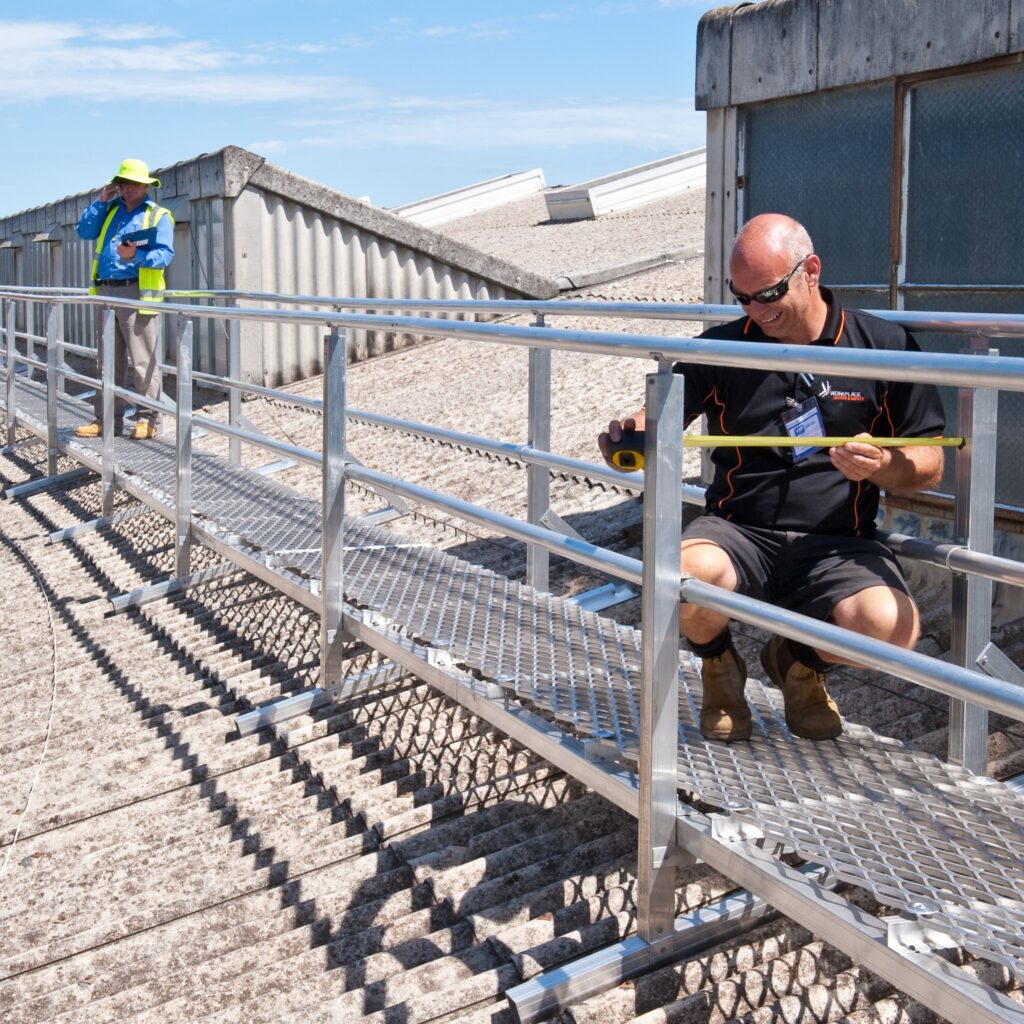
There are various types of protection available for workers at height, but guard rails are just about the most effective. Not only do they prevent workers from falling or accessing dangerous areas, but they do this without any training in their use being necessary.
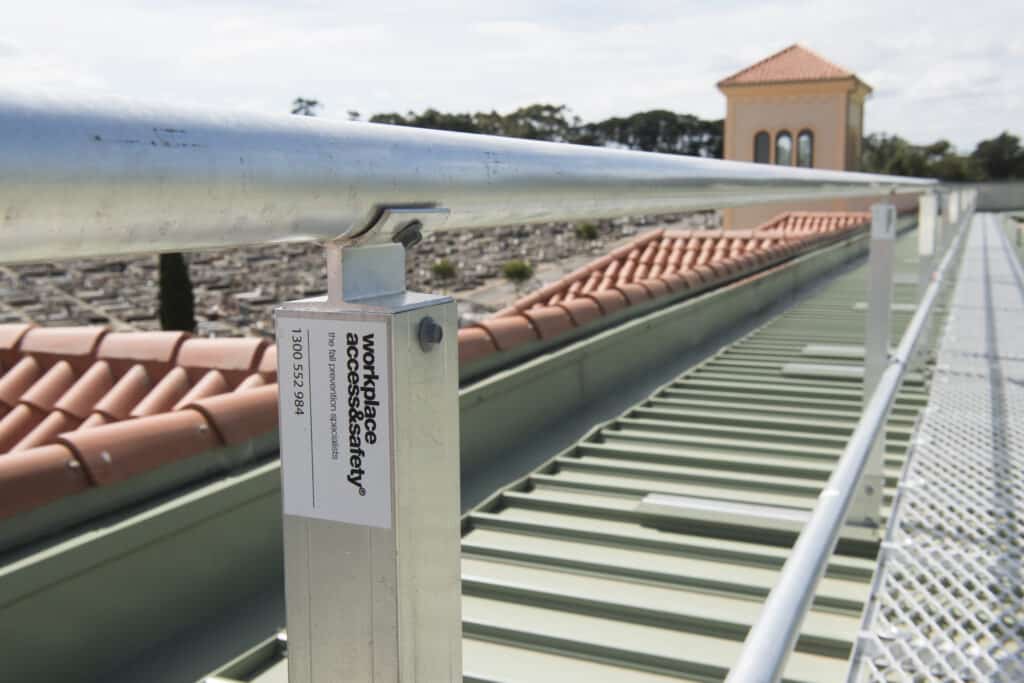
Guard rails are generally a long-term solution because they are normally made from steel or aluminium. This means they are extremely strong and durable, resistant to corrosion and require very little maintenance. They are also referred to as passive safety systems because workers do not have to do anything to benefit from them
Compliance for Different Types of Guard Rails
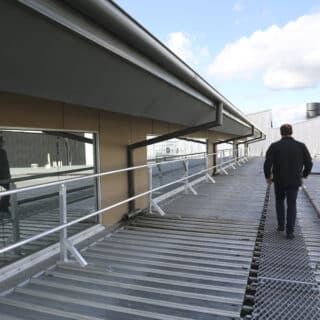
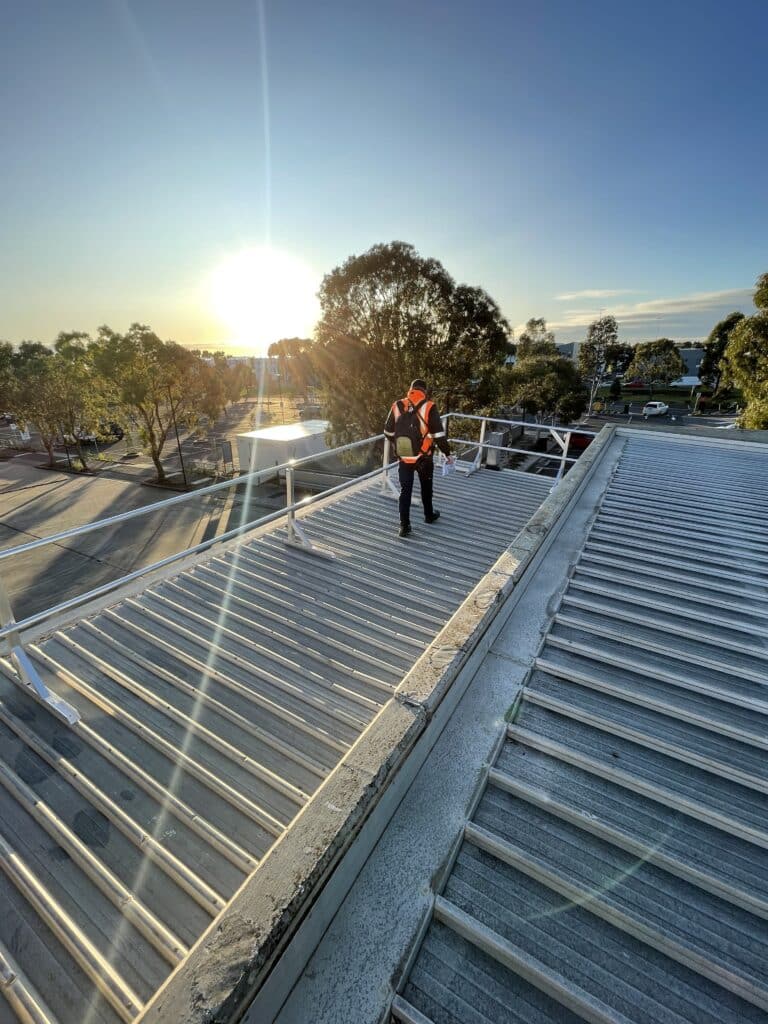
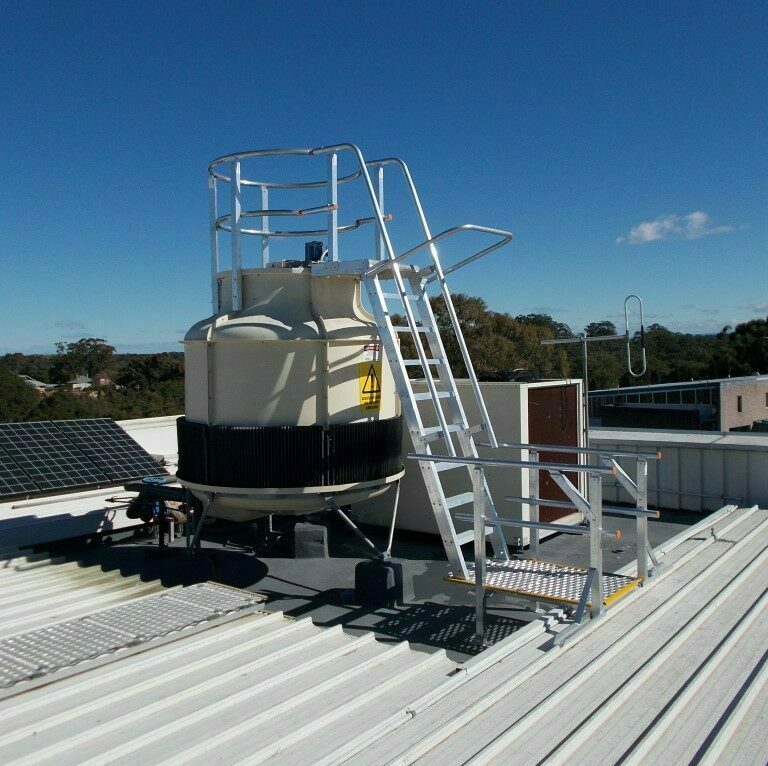
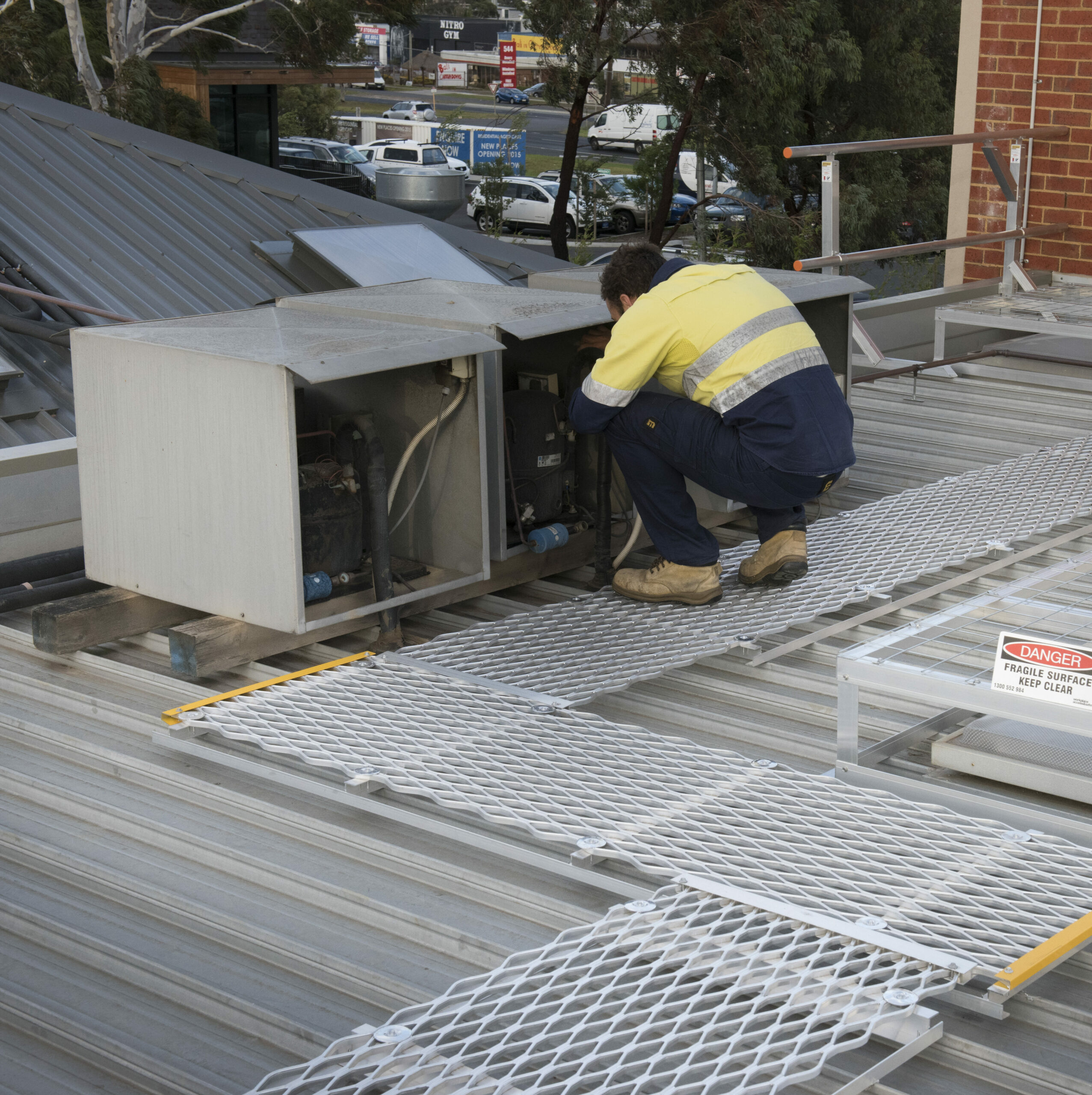
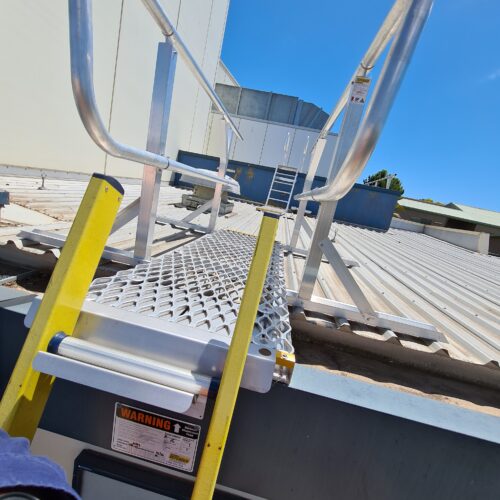
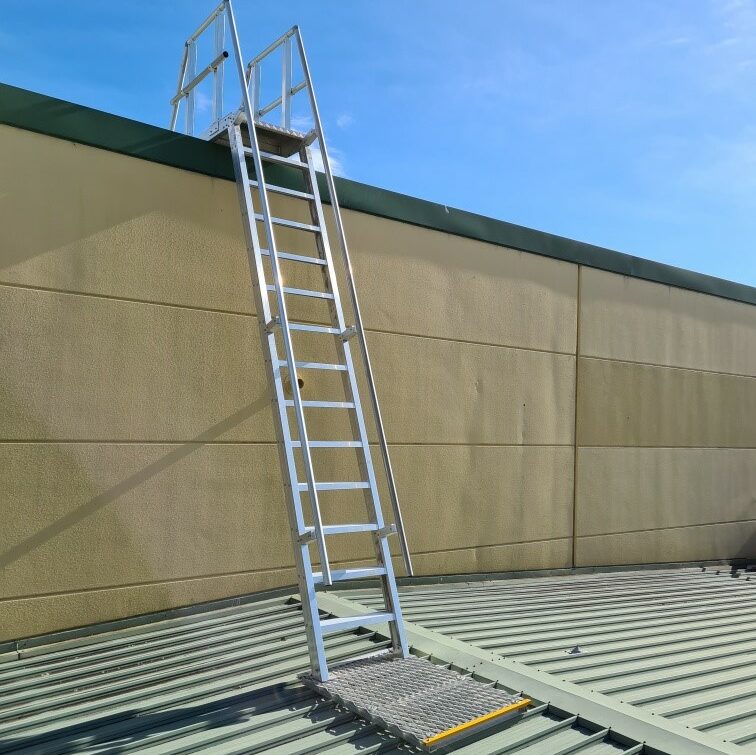
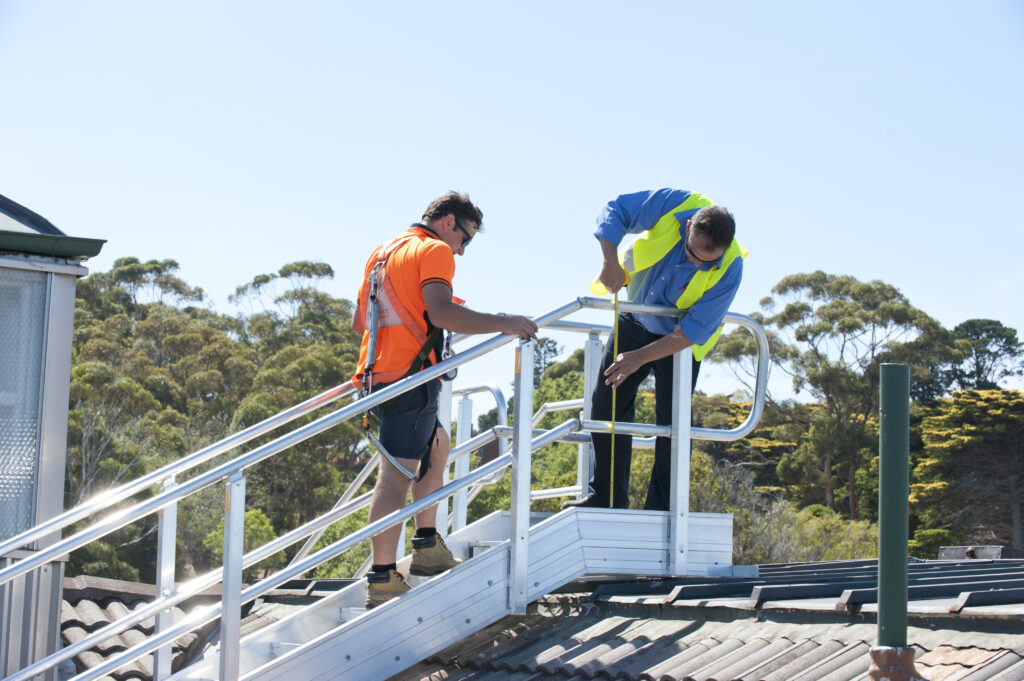
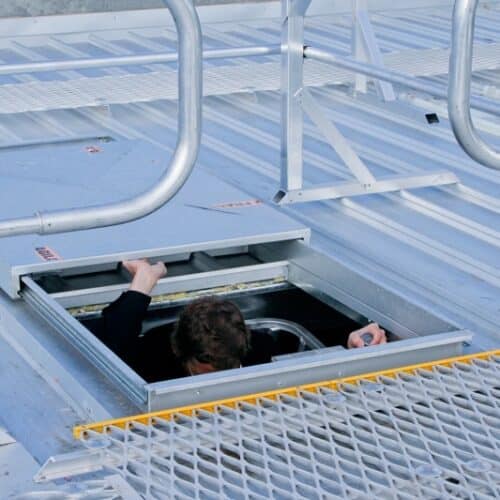
Guard rails come in a variety of types. They are often permanently anchored to roofs where regular access is needed but can also be placed temporarily for one-off jobs and then removed on completion. They can be free-standing where it is impractical for them to be fastened to roofs, can be placed at a roof’s edge to prevent falls or can be used on a roof access hatch with a ladder for the avoidance of accidents.
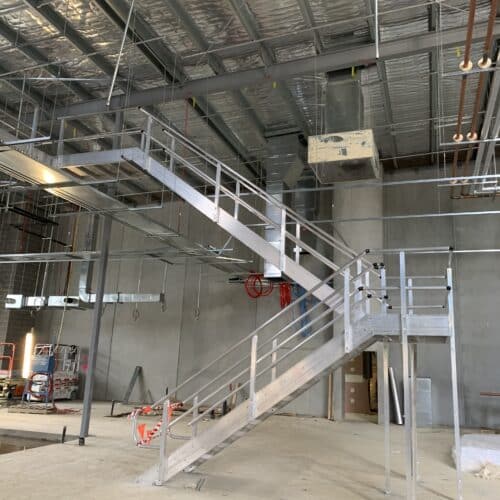
This type of protection is essential when people are working in wet or windy weather, where there is an incline or if there are protrusions or other obstacles that can cause trips. They must be capable of providing protection and withstanding heavy loads and must comply with Australian Standard AS/NZS 1657:2018, which deals with stairways, ladders, walkways and fixed platforms.
In practice, guard rails must:
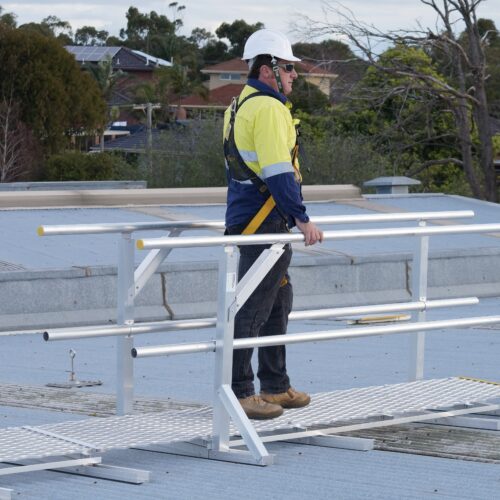
- have a minimum height of 90 centimetres above the work surface with additional measures in situations where there is a higher risk than normal
- be able to withstand harsh weather conditions without corroding or otherwise deteriorating
- be securely fastened and with a consistent height along their whole length and minimal openings that are hazardous.
Providing Safe Working and Compliance with Regulations
To ensure your roof safety guard rails are safe and compliant with regulations, we will:
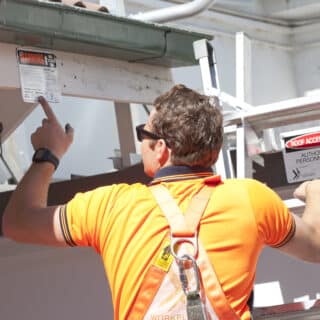
- inspect guard rails at regular intervals, ensuring they are free from damage, corrosion and wear with all fastenings secure and any faults repaired, or faulty sections renewed
- provide records of inspections, modifications and repairs, and fully document the state of the guard rails
- ensure guard rails are adequate and provide protection for workers so that the risk of accidents is minimised.
Some form of fall protection is essential for working at heights of two metres or more, especially if within two metres of the edge of a roof, and guard rails provide the best type of protection. They deliver the highest level of safety and, due to their simplicity, without requiring workers to be trained or be conversant in their use. This also means they will not adversely affect productivity since workers need to take no special precautionary measures.
By inspecting and maintaining your guard rails and other safety equipment, we at Workplace Access & Safety can ensure continued productivity, safety and compliance with regulations. These regulations can change and vary between states, so we will ensure you are kept up to date at all times. Read Less


How can a guardrail install go wrong?
While a less technical height safety product, choosing the wrong solution provider or installer for your guardrail system could be a costly mistake.
From installing your guardrail at the wrong height (leading to non-compliance) to unsealed screws causing leaks in your roof. It’s important to do your due diligence and select a certified solution provider or installer for your guardrails.
Not sure what to watch out for? Our procurement support services make it easy. We’ll even design a guardrail system to suit your specific requirements, reviewing tender submissions so you don’t choose a dud. And once it’s installed, our quality control services will identify any issues before it becomes a problem.
Feeling overwhelmed by the procurement process?
Our expert team can guide you through the process and be by your side, step by step. From finding the right provider to assessing tender submissions and installations.
Book your procurement discussionWorkplace Access and Safety:
Your height safety and fall prevention experts
Independent height safety experts
- Independent height safety experts
- 45 years’ industry experience
- National certified specialists, inspectors and engineers
- Height safety advice, risk assessments and consulting
Combining years of practical experience and industry expertise, you can be confident in the compliance and safety of your system.
From site assessments and system design to testing, inspections and certifications, we’re here to provide expert advice to keep your business protected and workplace safe.