What to consider for your access hatch
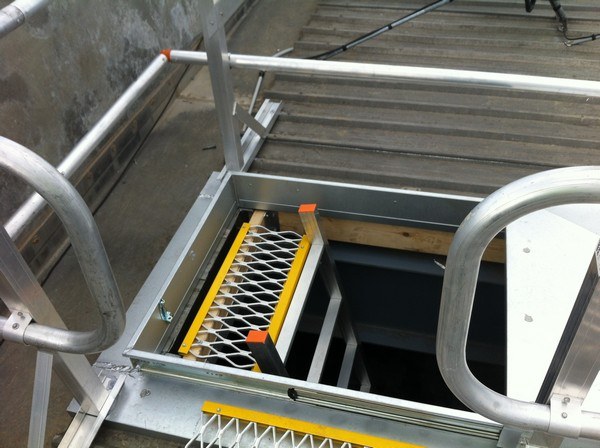
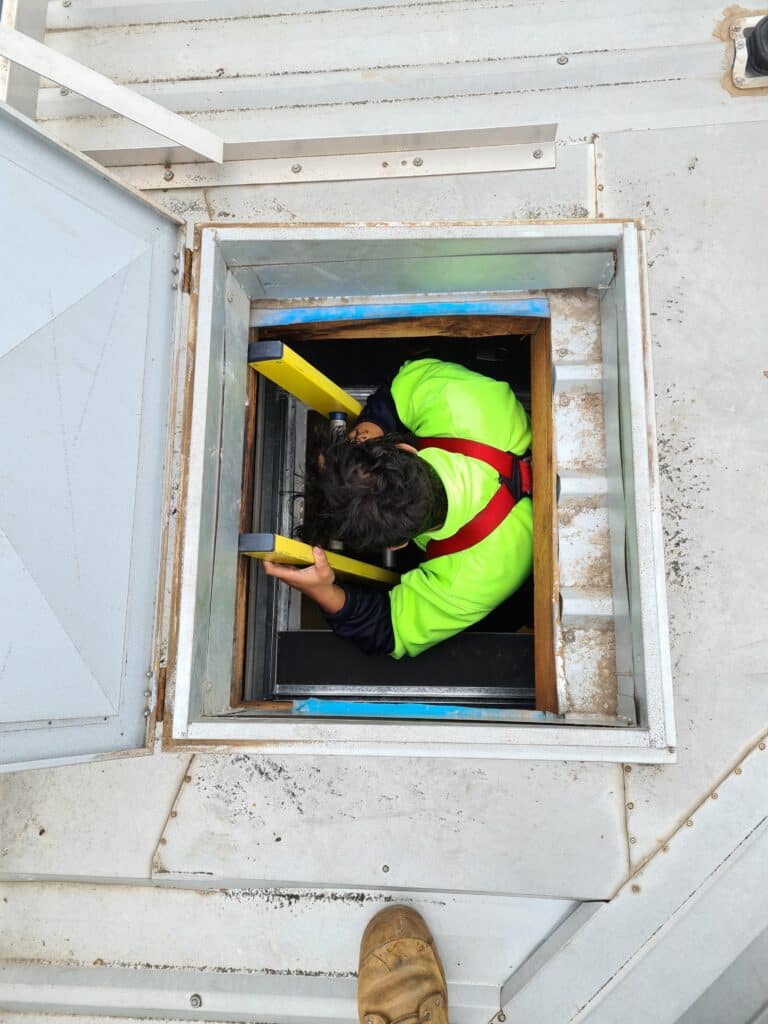
When purchasing a ceiling panel or roof access hatch it’s important to remember one key fact: your hatch has the potential to be one of your biggest fall hazards. How? People often forget an access hatch is essentially creating a hole in your roof or ceiling.
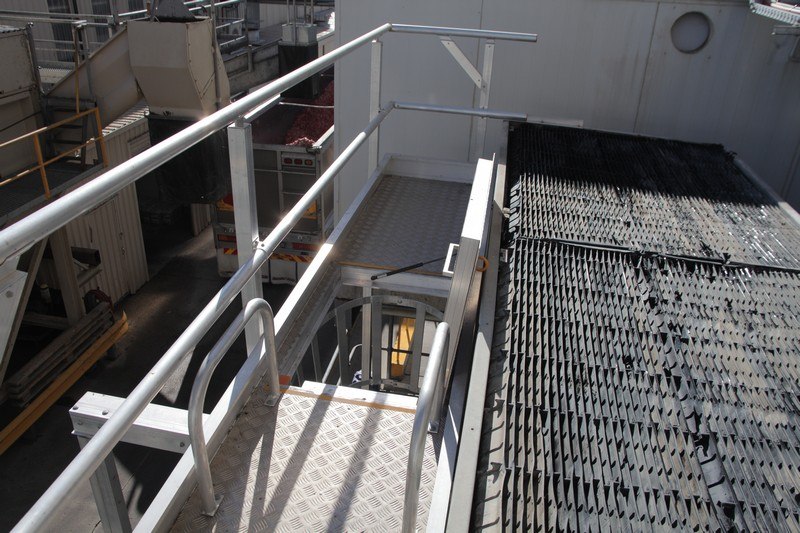
This is why it’s essential to consider not only what access hatch or panel solution is required for your workers to safely access your roof or ceiling, but also its placement and application. For example, if your roof access hatch opens next to a brittle surface (such as a skylight), can your workers safely exit the access point without putting themselves at risk? Considering what tasks the hatch will be used for can also help you identify what additional height safety solutions may be required.
To ensure you don’t have access hatch purchasing regret, our expert height safety team can provide advice on the right ceiling panel or roof hatch for your application. With knowledge of the best manufacturers, installers and solution providers in the business, you can be confident of a high-quality height safety solution that minimises risk and is safe and compliant.


What steps should you take before purchasing an access hatch?
The biggest mistake some facilities and building managers make? Jumping straight to purchasing an access panel or hatch product. This can be a costly mistake, with the design (or hatch type) incorrect for your application. That cheaper out-of-the-box international solutions may also be more expensive in the long run, with costly custom modifications required to be compliant with Australian standards. Then there’s additional height safety protection you may need that wasn’t ‘part of the package’.
To help you make an informed decision, our risk assessment service provides expert advice on access panels and hatches. As well as providing insight into additional height safety equipment required, your risk assessment will outline access hatch specifications, a scope of work and overlay plans. Giving you everything you need for your preferred solution provider or installer. Not sure who to go to? We also have a list of trusted groups we can recommend.
Feeling overwhelmed by the procurement process?
Our expert team can guide you through the process and be by your side, step by step. From finding the right provider to assessing tender submissions and installations.
Book your procurement discussion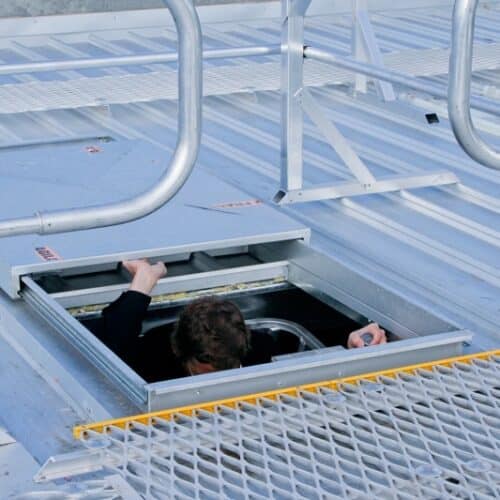
Workplace Access and Safety:
Your height safety and fall prevention experts
Independent height safety experts
- Independent height safety experts
- 45 years’ industry experience
- National certified specialists, inspectors and engineers
- Height safety advice, risk assessments and consulting
Combining years of practical experience and industry expertise, you can be confident in the compliance and safety of your system.
From site assessments and system design to testing, inspections and certifications, we’re here to provide expert advice to keep your business protected and workplace safe.
Get in the compliance know
Expert tips, tricks and advice from our height safety experts, straight to you.